






THE BURDEN OF GERIATRIC CARE IN INDIA
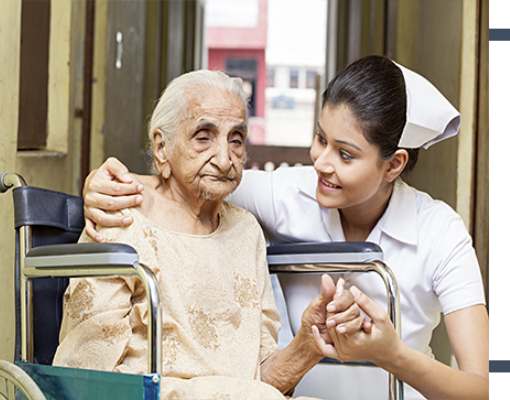
Geriatric Care is a specialized area of healthcare that focuses on the unique needs and health concerns of older adults. Geriatric Care encompasses a range of medical, social, and psychological services aimed at helping elderly individuals maintain their physical and mental well-being, improve their quality of life, and maintain their independence for as long as possible. Geriatric Care involves a multidisciplinary team approach, which may include physicians, nurses, physical and occupational therapists, social workers, and other healthcare professionals who specialize in caring for older adults. The goal of Geriatric Care is to provide personalized care that meets the specific needs of each individual, taking into account their medical history, current health status, lifestyle, and personal preferences. Yoga and Naturopathy are holistic systems and they have potential to deal with most of the geriatric care problems in an effective manner. Therefore practitioners of these systems with proper understanding and training in the field of geriatric care can play a very important role in care of the elderly. With 142.86 crore people on Apr 19, 2023,16:51 IST, India has surpassed China to become the world's most populous nation, according to the latest United Nations data. China, with a population of 142.57 crore, is the second most populous country, the latest statistics show. India is experiencing a demographic shift towards an aging population, which has resulted in a growing burden of Geriatric Care. According to the United Nations, the number of people in India aged 60 years and older is expected to increase from 116 million in 2020 to 340 million by 2050. The life expectancy for India in 2023 is 70.42 years, a 0.33% increase from 2022. Females lives: 71.80 years and Males: 69.16 years The life expectancy for India in 2022 was 70.19 years, a 0.33% increase from 2021. The life expectancy for India in 2021 was 69.96 years, a 0.33% increase from 2020. The burden of Geriatric Care in India is significant, as older adults in India are more likely to experience chronic health conditions such as diabetes, cardiovascular disease, and cancer. In addition, many older adults in India lack access to quality healthcare and face social and economic challenges, including poverty, illiteracy, and inadequate social support systems. The burden of Geriatric Care in India is further complicated by the fact that the country has a large rural population, which often lacks access to healthcare facilities and services. The Indian government has recognized the importance of addressing the needs of older adults and has launched various initiatives to improve access to healthcare and social support for this population. However, significant challenges remain in providing comprehensive and affordable Geriatric Care to all older adults in India. Geriatric Problems: Geriatric Problems refer to a range of health and functional issues that are common among older adults. These problems can be physical, cognitive, or social in nature and can affect an individual's overall health, well-being, and quality of life. Elderly peoples have some common examples of geriatric problems such as : Chronic health conditions: Older adults are more likely to develop chronic health conditions such as diabetes, arthritis, heart disease, and dementia. Functional limitations: Many older adults experience functional limitations that make it difficult to perform everyday activities such as bathing, dressing, and cooking. Cognitive impairment: Some older adults may experience cognitive impairment, including memory loss, confusion, and difficulty with decisionmaking. Social isolation: Many older adults experience social isolation, which can lead to loneliness, depression, and poor mental health. Medication management: Older adults often take multiple medications, which can be difficult to manage and can increase the risk of adverse drug reactions. Falls and injuries: Older adults are at higher risk for falls and injuries, which can lead to hospitalization, disability, and a decline in overall health. Geriatric problems can have a significant impact on an individual's health and quality of life, and addressing these issues requires a comprehensive approach that encompasses medical care, social support, and public policy interventions. Likelihood of getting cancer in old age: The likelihood of getting cancer increases with age, and cancer is more common among older adults. According to the American Cancer Society, approximately 60% of new cancer cases in the United States are diagnosed in people aged 65 years and older. There are several reasons why the incidence of cancer increases with age. First, as we age, our bodies undergo changes that can increase the risk of cellular mutations and other abnormalities that can lead to cancer. Second, older adults may have a longer exposure to environmental factors that increase the risk of cancer, such as tobacco use, exposure to carcinogens, and a sedentary lifestyle. The risk of developing certain types of cancer also increases with age. For example, prostate cancer, breast cancer, and lung cancer are more common among older adults. Additionally, older adults may be more vulnerable to the adverse effects of cancer treatment, which can be more challenging to tolerate due to other age-related health conditions. Regular cancer screenings are recommended for older adults to detect cancer early and increase the chances of successful treatment. Additionally, maintaining a healthy lifestyle, such as avoiding tobacco use, maintaining a healthy diet, exercising regularly, and limiting alcohol intake, can help reduce the risk of cancer and other chronic diseases in old age. Alzheimer and its incidence in old age: Alzheimer's disease is a progressive neurological disorder that affects cognitive functions such as memory, thinking, and behaviour. It is the most common cause of dementia, accounting for approximately 60-80% of all dementia cases. Research shows that certain changes in the brain are associated with Alzheimer disease. The incidence of Alzheimer's disease increases with age, with the majority of cases occurring in people aged 65 years and older. According to the Alzheimer's Association, an estimated 6.2 million Americans aged 65 and older are living with Alzheimer's disease in 2021 and this number is projected to increase to 12.7 million by 2050.... While the exact causes of Alzheimer's disease are not fully understood, age, genetics and lifestyle factors are thought to play a role in the development of the disease.... Other risk factors for Alzheimer's disease include a history of head injury, cardiovascular disease, and certain genetic mutations. Symptoms of Alzheimer's disease typically include memory loss, difficulty with language and communication, confusion, changes in mood and behavior, and difficulty with activities of daily living. There is currently no cure for Alzheimer's disease, but early diagnosis and management of symptoms can help improve quality of life and slow disease progression. Treatments may include medications to manage cognitive symptoms, lifestyle modifications, and supportive care. Disease burden of Parkinsonism in India: Parkinsonism is a neurological disorder that can cause significant disability and reduced quality of life for those affected. While the exact disease burden of parkinsonism in India is not well-known, it is believed to be significant due to the country's rapidly aging population. According to a study published in the Journal of Parkinsonism and Restless Legs Syndrome, the prevalence of Parkinson's disease (the most common cause of parkinsonism) in India is estimated to be around 6.1 per 1,000 people over the age of 65. This suggests that there may be a significant number of people in India affected by parkinsonism, particularly as the country's elderly population continues to grow. Despite the high disease burden, parkinsonism care in India is often inadequate, with limited access to specialized care and medications. Many people with parkinsonism in India also face stigma and discrimination, which can further contribute to poor outcomes and reduced quality of life. Efforts are underway to address the growing burden of parkinsonism in India, including initiatives to increase awareness, improve diagnosis and treatment, and provide support for patients and caregivers. However, there is a need for continued investment in parkinsonism care. and research to ensure that people with the condition in India receive the care and support they need. Disease burden of dementia in India: Dementia is a growing public health concern in India due to its rapidly aging population. According to a report by Alzheimer's and Related Disorders Society of India (ARDSI), it is estimated that there are currently 4.1 million people living with dementia in India, and this number is expected to triple by 2050. The disease burden of dementia in India is significant, with a high prevalence of the disease among the elderly population. It is estimated that around 1 in 10 people over the age of 60 in India have dementia, and the number of cases is expected to rise in the coming years due to an aging population and increasing life expectancy. Despite the high disease burden, dementia care in India is largely underdeveloped, with limited resources and support available for patients and caregivers. Many people with dementia in India go undiagnosed or receive inadequate care, which can lead to poor outcomes and increased burden on families and communities. Efforts are underway to address the growing burden of dementia in India, including initiatives to increase awareness, improve diagnosis and treatment, and provide support for caregivers. However, there is a need for continued investment in dementia care and research to ensure that people with dementia in India receive the care and support they need. Most common ailments older people suffer from: As people age, they are more likely to develop a variety of health conditions and ailments. Some 46 of the most common health problems that older people may experience include: 1 Arthritis: Arthritis is a condition that causes inflammation and pain in the joints. It is a common problem for older people, with an estimated 1 in 4 adults over the age of 65 experiencing arthritis. 2. Hypertension: Hypertension, or high blood pressure, is a common condition among older people. It can increase the risk of heart disease, stroke, and other health problems. 3. Diabetes: Diabetes is a condition that affects how the body processes sugar. It is more common among older adults, with an estimated 1 in 4 adults over the age of 65 having diabetes. 4. Heart disease: Heart disease is a leading cause of death among older people. It can include conditions such as coronary artery disease, heart failure, and arrhythmias. 5. Respiratory problems: Older people are more likely to experience respiratory problems such as chronic obstructive pulmonary disease (COPD), pneumonia, and bronchitis. 6. Cognitive impairment: Cognitive impairment can include a range of 47 conditions such as dementia and Alzheimer's disease. It is more common among older adults, with an estimated 1 in 9 Americans over the age of 65 having Alzheimer's disease. 7. Vision and hearing problems: Older people are more likely to experience vision and hearing problems, such as cataracts, macular degeneration, and hearing loss. Overall, older people may experience a variety of health problems and ailments, which can impact their quality of life and ability to function independently. It is important for older people to receive regular health care and screenings to detect and manage these conditions. Strategies to tackle geriatric problems effectively: To tackle geriatric problems effectively, here are some strategies that can be implemented: 1. Regular Health Assessments: It is essential to conduct regular health assessments for older adults to identify any health issues or concerns early on. This can help prevent serious health conditions from developing or becoming worse. 2. Exercise: Regular physical activity is important for maintaining physical function, mobility, and balance in older adults. Exercise can also reduce the risk of falls and improve mental health. 3. Nutrition: A healthy diet is important for maintaining overall health and reducing the risk of chronic diseases in older adults. It is important to ensure that they are getting enough nutrients and avoiding foods that can exacerbate health conditions. 4. Medication Management: Older adults often take multiple medications, which can lead to medication interactions and adverse effects. Proper medication management is essential to avoid such issues. 5. Social Engagement: Social isolation can lead to depression and other health issues. Therefore, it is important to encourage social engagement and provide opportunities for older adults to interact with others. 6. Cognitive Stimulation: Cognitive stimulation activities can help improve memory and cognitive function in older adults. Activities such as reading, puzzles, and social games can help stimulate the brain. 7. Access to Healthcare: Access to healthcare is important for older adults to receive the necessary medical attention and treatment. This includes regular check-ups, preventative care, and access to specialists if needed. Overall, a comprehensive approach that includes regular health assessments, exercise, nutrition, medication management, social engagement, cognitive stimulation, and access to healthcare can help tackle geriatric problems effectively. Dr.S.N.Pandey, M.Sc, Ph.D, N.D
It is a long established fact that a reader will be distracted by the readable content of a page when looking at its layout.
Tom Cruise
Four major elements that we offer:
- Scientific Skills For getting a better result
- Communication Skills to getting in touch
- A Career Overview opportunity Available
- A good Work Environment For work
Setting the mood with incense
Lorem ipsum dolor sit amet, consectetur adipisicing elit, sed do eiusmod tempor incididunt ut labore et dolore magna aliqua. Ut enim ad minim veniam, quis nostrud exercitation ullamco laboris nisi ut aliquip ex ea commodo consequat. Duis aute irure dolor in reprehenderit in sed quia non numquam eius modi tempora incidunt ut labore et dolore magnam aliquam quaerat voluptatem.
The Rise Of Smarketing And Why You Need It
Lorem ipsum dolor sit amet, consectetur adipisicing elit, sed do eiusmod tempor incididunt ut labore et dolore magna aliqua. Ut enim ad minim veniam, quis nostrud.
0 Comments:
Leave a Reply